
Rethinking Self-Care
by Claire WIley
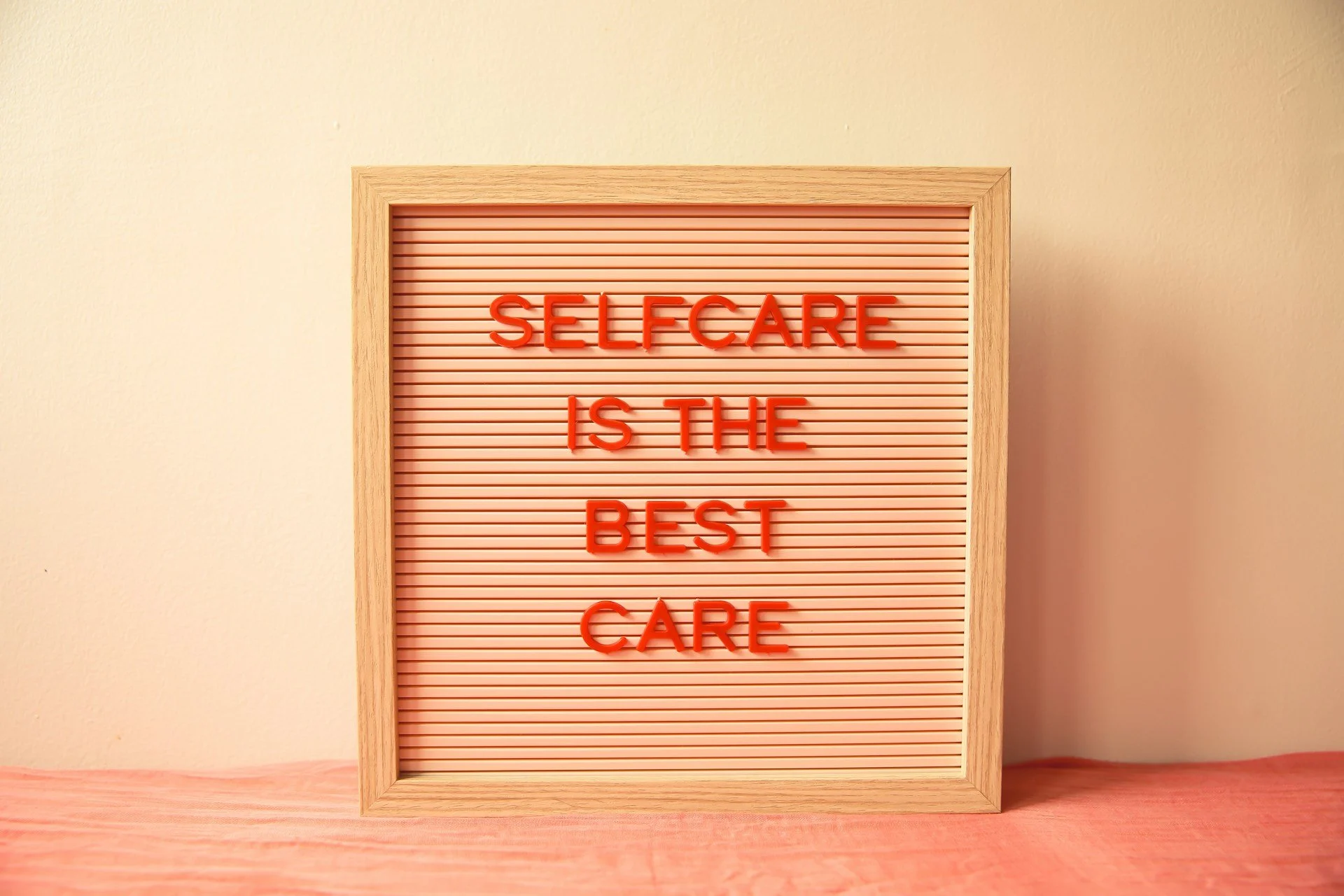
When you think of “self-care,” what do you picture? A beach vacation, a bubble bath, or a nap? Scrolling through the never-ending self-care content online may have you wondering: do bubble baths and candles actually move the needle for others? If I still feel stressed and overwhelmed, am I doing this wrong?
Self-care has become a cultural catchphrase. In one sense, this validates the idea that caring for yourself matters. But on the other hand, it can leave us feeling confused, angry, or exhausted when these rituals don’t deliver lasting change.
The important shift in thinking about self-care is this: self-care isn’t just occasional pampering. It’s a set of intentionally chosen practices that support your physical, emotional, and mental well-being, helping you live a balanced and satisfying life. When self-care feels out of reach, it’s usually because we’re treating it as an item on a shopping list instead of a practice rooted in values and routine. The goal is to move from just “nice-to-have” moments of rest and pleasure to sustainable habits that align with who you are and what you need.
Self-care is ongoing, values-driven, and practical (not only pleasurable).
It supports long-term functioning, not just short-term relief.
It’s anchored in what matters to you, not what is important to someone else or what looks good on social media.
It includes small, repetitive acts that add up over time.
More than bubble baths
Making this distinction about the role of self-care in our lives can support taking meaningful action.
Small shifts could look like:
Quick fix: scrolling to decompress before bed.
Sustaining practice: setting a nightly routine that promotes restful sleep.
Surface-level self-care: a full day at the spa.
Sustaining practice: establishing boundaries so you’re not depleted before the weekend.
Temporary relief: regularly venting to a friend about rough days.
Sustaining practice: developing regular emotional check-ins and communication habits that process feelings before they accumulate.
Self-care that really counts could be:
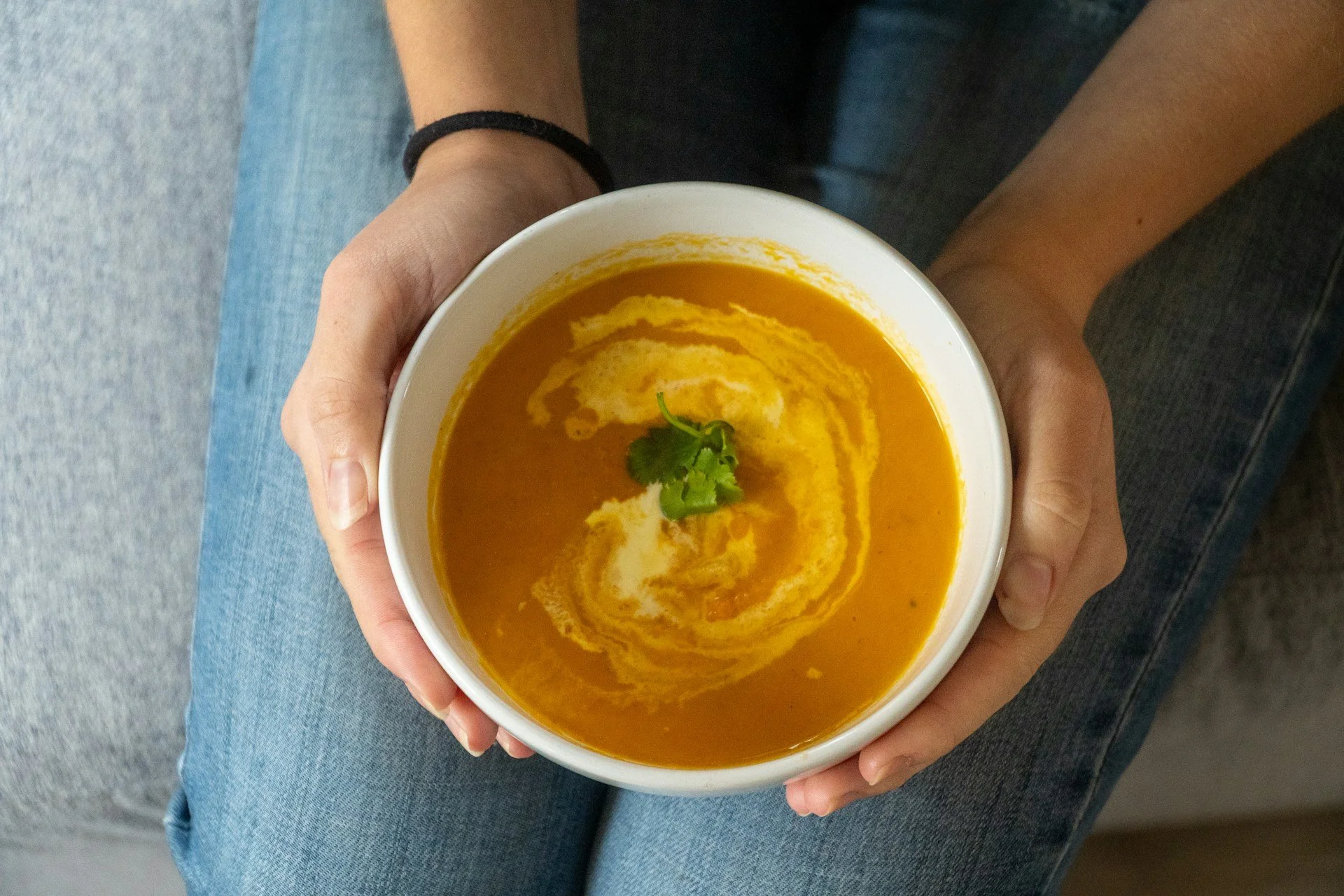
Making a pot of soup: More than comfort food, this is planning and preparing nourishing meals that support health, energy, and rhythm. It’s practical, economical, and connects you to routine and nourishment.
Financial check-ins: Regular budgeting and small savings habits that reduce stress and increase security are often-overlooked forms of self-care.
Emotional boundaries: Practicing how to decline requests or limit time with draining people preserves your emotional reserves.
How to start
Self-care can often feel impossible with chaotic schedules and lengthy to-do lists. Starting small and growing self-care habits over time can make this valuable practice more attainable.
If you want to get started, here are some options for first steps:
Start tiny: pick one small, repeatable action (e.g., a 5-minute morning stretch, a weekly meal prep) and commit for two weeks.
Tie it to an existing habit: attach a new self-care practice to something you already do (after brushing teeth, do a 2-minute breath check).
Define the why: write down how this practice supports a value (ex. “I prepare soup because I value nourishment and steadiness”).
Reduce decision fatigue: pre-plan meals, set alarms for breaks, or block “do not disturb” time in your calendar.
Reassess monthly: notice what helps, what doesn’t, and adjust. Self-care is an experiment, not perfection.
When self-care feels impossible
If exhaustion, depression, or life circumstances make basic self-care difficult, start with the smallest possible action, like drinking one glass of water or stepping outside for one minute. Seek support, whether from friends, community resources, or a therapist, and remember that asking for help is a form of self-care, not failure.

If you’d like to incorporate therapy as part of your self-care strategy, NCTP can help.