
The 5 Responses to Trauma: Fight, Flight, Freeze, Flop, & Fawn
by Nora Whitten
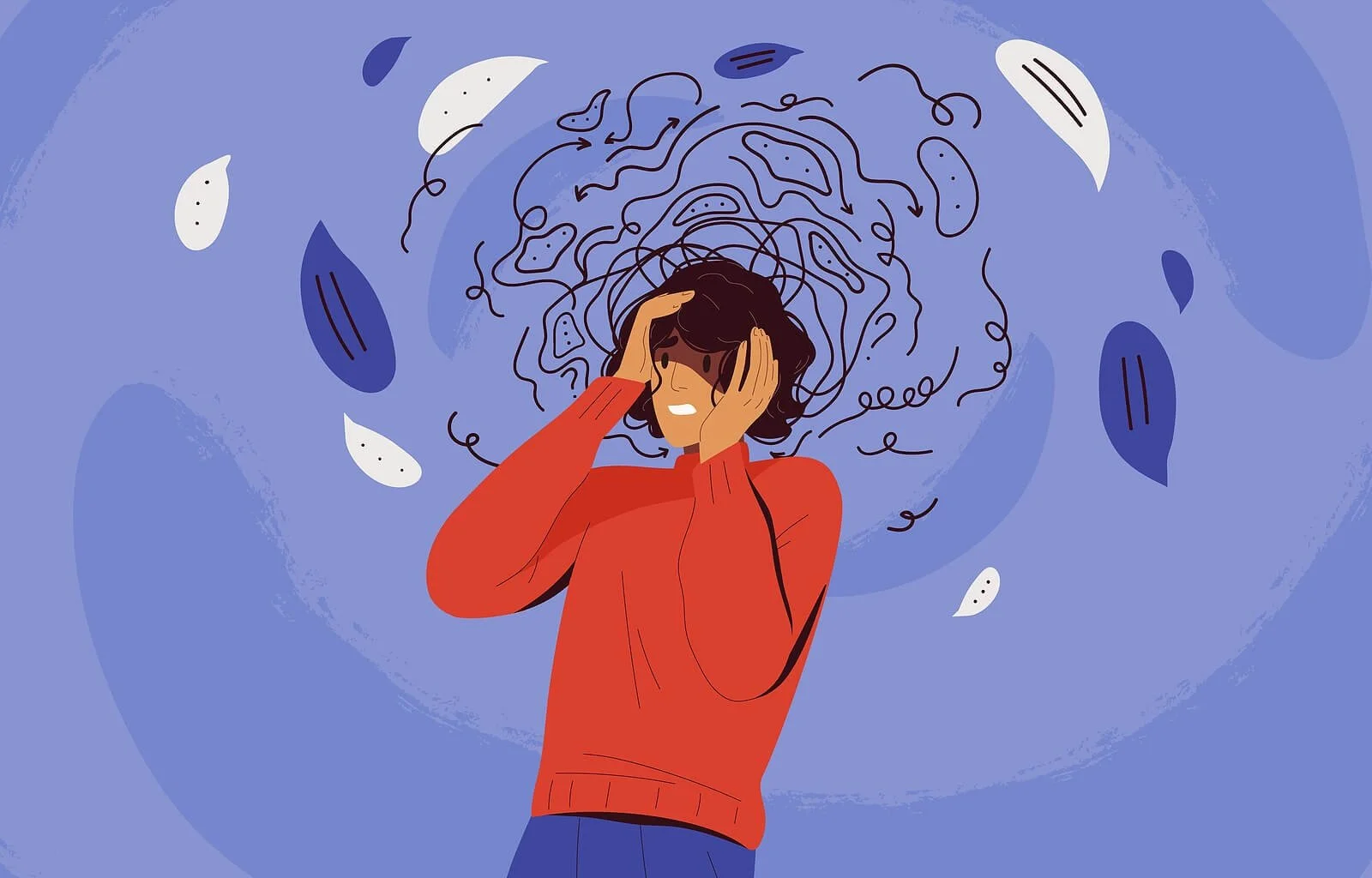
You’ve probably heard of the fight or flight responses to situations that feel like life or death. But what about those of us who didn’t run away or fight back during a stressful or traumatic event? Perhaps you can find yourself resonating more closely with the freeze, fawn, or flop responses that are not as commonly talked about.
What is a trauma response?
Trauma responses are ways that our bodies may react during a stressful, scary, or threatening event, whether or not you were actually in danger. While they resemble how our ancestors would have responded when confronted by a dangerous animal, research has come to find that they are much more complex than this. Trauma responses are unique to every person and the experiences they have gone through. The reality is that we usually experience a mix of thoughts and bodily sensations that correspond with more than one of the five trauma responses.The goal of these responses are to end, reduce, or avoid danger, allowing our bodies to return to a calm and relaxed state.
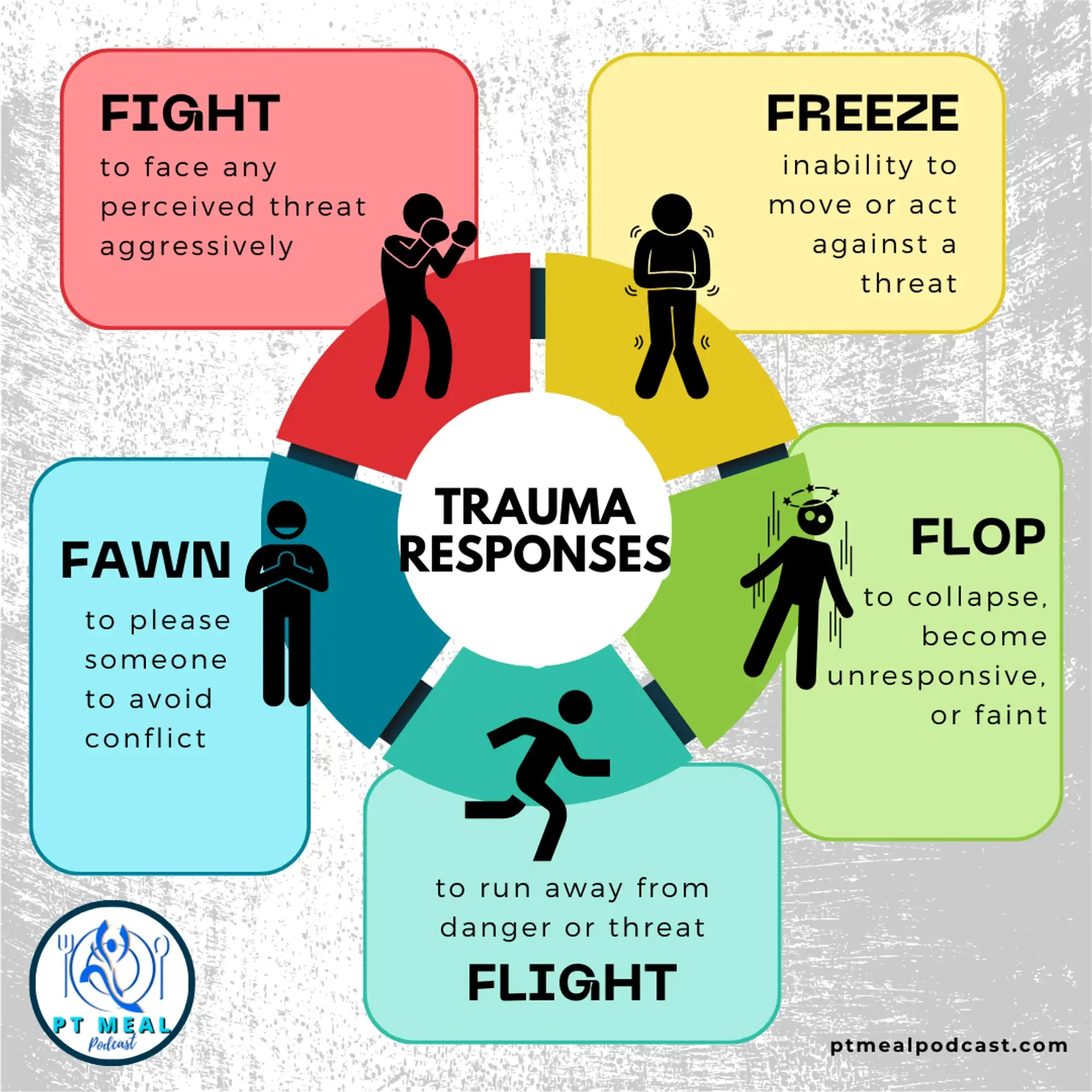
The Fight Response
During a frightening or life-threatening event, our sympathetic nervous systems become activated so that we can take quick action if needed. Our brain makes a snap decision as to whether or not we are able to overpower the threat.
If we determine we can overpower, our bodies enter the fight response. Signals are released throughout the body that prepare us for the physical act of fighting, directing our energy toward the threat. Some of these signs may look like clenching our jaws, balling up our fists, or feeling an intense surge of anger throughout our bodies.
The Flight Response
If our brain makes the decision that we are not able to overpower the threat, it then calculates whether or not we are able to outrun it.
If we determine we can outrun, our bodies enter the flight response. Our body is still preparing itself for action, with our energy directed away from the threat and towards escape. A surge of hormones, such as adrenaline, are released so that we can maintain stamina for longer than we typically would be able to. Some signs of the flight response may be darting eyes or intense feelings of tension and restlessness.
The Freeze Response
When our brain decides that we are not able to overpower or outrun the threat, its next course of action may be the freeze response. This is similar to the concept of “playing dead,” or staying so still that the threat potentially doesn’t notice you.
During the freeze response, our bodies may go stiff and feel as though they’re physically incapable of moving. We may become physically numb, which is a survival tactic to prevent our bodies from feeling the full impact of the threat. We may also feel “spaced out” or dissociated, as though we’re not present in our bodies.
Some survivors of trauma feel shame after entering the freeze response, feeling as though they didn’t “do anything” to help themselves. However, your body responded in the best way it knew how in that moment in order to help you survive.
The Flop Response
When your body is in the freeze response, your heart rate and breathing may slow down so much that you “flop” or faint. You may be so overwhelmed by the stress that you experience a complete physical and/or mental shutdown, where your muscles go limp or your brain deeply detaches from reality.
The flop response is one that can shield your brain from having to experience the traumatic event at all, knowing that running or fighting may only make the threat worse. Feelings of weakness, dizziness, or lightheadedness may persist in future situations that trigger stress similar to that of the initial traumatic experience.
The Fawn Response
When our bodies feel like no other response options are available, the fawn response usually manifests, often for threats that are relational and long-term. It may occur within abusive familial or intimate relationships, typically as a way to appease the threat. By “keeping the peace,” you are decreasing the likelihood of behavior occurring that poses a risk to your safety.
The fawn response may continue persisting outside of an active threat, often showing itself in people pleasing behaviors, avoidance of conflict, or being unable to say “no” to others.
Some survivors of trauma may feel shame at their fawning response. However, it is unfortunately a common reaction for those who grew up in abusive households, where being passive and agreeable were one of the only means of survival.
Final Thoughts
No two people will react in the same way to the same threatening experience. How our brains and bodies choose to react when survival mode kicks in is not a decision that we are consciously making ourselves. Rather, our brains and bodies are doing what they believe will help us survive in a traumatic situation.
If you want help navigating trauma and its responses, NCTP can help. While the confusion, frustration, and shame that people experience in the aftermath of trauma are normal, you do not have to feel this way forever. With counseling support, you can work toward recovering from trauma with curiosity, compassion, and hope.