
Where Your Eyes Go, Healing Follows
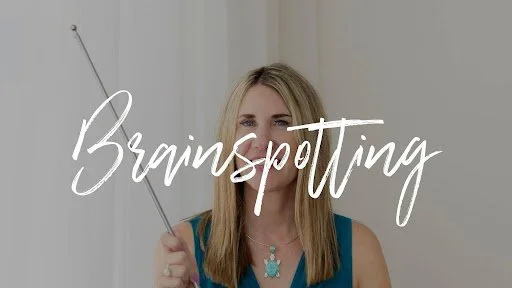
If you’ve ever felt like you understand something logically but your body still reacts as if the pain is happening right now, you’re not alone. Many people experience this disconnect, especially after stressful or traumatic experiences. This is where Brainspotting can offer something different.
What Is Brainspotting?
Brainspotting is a brain-body based therapy that helps people process trauma and emotional pain. It was developed by David Grand and is grounded in the idea that where you look affects how you feel.
During a Brainspotting session, a therapist helps you identify a specific eye position, called a “brainspot” that connects to stored emotional experiences in the brain. By holding that gaze while tuning into your internal experience, your brain is able to process and release what may have been stuck.
Why Talk Therapy Isn’t Always Enough
Traditional talk therapy can be incredibly helpful and enough for many clients. However, sometimes clients report feeling stuck. This is when trauma may not be stored in words, but instead stored in the body.
You might notice:
Feeling triggered without knowing why
Physical tension, tightness, or discomfort
Emotional reactions that feel disproportionate
Difficulty explaining your experience
Continuous patterns that are hard to break
Brainspotting works beneath the level of conscious thought, accessing deeper parts of the brain where trauma is often held.
What a Session Feels Like
A session may include:
Identifying a feeling, body sensation, or issue to focus on
Using a pointer and your therapist’s guidance to find your “brainspot”
Listening to bilateral sound (gentle tones that alternate between ears)
Sitting with your experience while your brain processes
There’s no pressure to talk the whole time. Many people process differently so it’s important to trust whether externally processing (e.g., talking outloud) or internally processing is best for you (e.g., holding silence).
The Role of the Body
Brainspotting aligns with what we know about trauma: the body remembers.
This approach allows you to:
Process experiences that feel “stuck”
Release stored emotional and physical tension
Increase awareness of internal states
Build a stronger mind-body connection
Rather than forcing change, Brainspotting creates space for your brain to do what it naturally knows how to do, heal.
Brainspotting for More Than Trauma
While Brainspotting is widely used for trauma, it’s also effective for:
Anxiety and stress
Performance blocks
Depression & Emotional Numbness
Relationship patterns & Attachment Wounds
Identity transitions or life changes
And more!
Final Thoughts
If you’ve felt stuck, overwhelmed, or like traditional approaches haven’t fully reached what you’re experiencing, Brainspotting might be worth exploring. Engaging in this type of therapy can help your brain and body reconnect, process, and move forward in a way that feels more integrated and whole.
Looking for a therapist?